

Acupuncture for muscle soreness after training
Acupuncture for muscle soreness is often considered by people who feel stiff, tender, or restricted after a demanding workout. It may be one part of a broader recovery plan, but it should be approached with realistic expectations. Post-training soreness is common, yet pain can also signal an injury or another health concern. Understanding the difference, the limits of the evidence, and basic safety considerations can help you make an informed choice.
Muscle soreness after exercise can occur for several reasons. A new activity, increased training volume, unfamiliar movements, or a high-intensity session may lead to delayed-onset muscle soreness, commonly called DOMS. Symptoms often develop several hours after training, become more noticeable within one to three days, and gradually improve. The discomfort may include tenderness, stiffness, and temporary reductions in strength or range of motion.
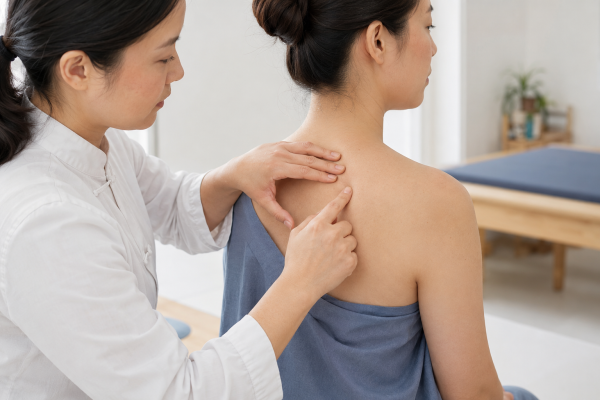
Acupuncture involves the placement of very thin, sterile needles at selected points on the body. Practitioners may use traditional East Asian medicine frameworks, modern anatomical reasoning, or a combination of approaches. During a consultation, they may ask about the location and quality of the soreness, recent training, sleep, stress, medications, and other health factors. Treatment plans vary, and the number of sessions needed cannot be predicted for every person.
What the evidence suggests
Research on acupuncture for post-exercise soreness has produced mixed results. Some studies report short-term improvements in perceived pain, tenderness, or recovery measures, while others find little difference compared with sham acupuncture, usual care, or rest. Differences in study design, acupuncture methods, exercise protocols, and outcome measurements make the findings difficult to summarize as a single conclusion.
Even when a study reports a benefit, that does not necessarily mean acupuncture will restore muscle function quickly or prevent future soreness. Pain relief and tissue recovery are not always the same thing. A person may feel better while still needing time before returning to heavy lifting, sprinting, or other demanding activity. For this reason, acupuncture is best viewed as a possible complementary option rather than a guaranteed solution.
Recovery basics remain important. Adequate sleep, regular meals, sufficient fluids, gradual training progression, and appropriately timed rest can support general recovery. Gentle movement may feel helpful for some people, while aggressive stretching or another intense workout can worsen symptoms. A qualified clinician or sports professional can help tailor activity to the individual and the suspected cause of pain.
How a session may fit into recovery
An acupuncture appointment commonly begins with an assessment and a discussion of goals. Tell the practitioner when the soreness began, which exercises preceded it, whether there was a sudden injury, and whether symptoms are improving or worsening. It is also useful to mention pregnancy, bleeding disorders, immune concerns, skin problems, allergies, implanted medical devices, and all medicines or supplements. These details can affect whether treatment is appropriate or how it should be performed.
During needling, some people feel a brief prick, pressure, heaviness, tingling, or a dull ache. Others feel very little. Needles are usually left in place for a limited period while the person rests. Mild bruising, temporary soreness, lightheadedness, or minor bleeding can occur. Serious complications are uncommon when sterile, single-use needles are used by a properly trained and licensed practitioner, but no procedure is entirely risk-free.
Questions to ask before treatment
- Are you licensed or otherwise authorized to practice in this location?
- What training and experience do you have with exercise-related pain?
- What side effects should I watch for?
- How will you decide whether treatment is appropriate for my symptoms?
- What activities should I modify during recovery?
A responsible practitioner should welcome questions, explain the proposed approach, and avoid promising a specific result. You should also feel free to postpone treatment or seek another opinion if the explanation is unclear or if you feel pressured to purchase a large package of visits.
When soreness may be more than routine DOMS
Typical post-exercise soreness is usually spread through the muscles used during training and tends to improve over time. A sharp or sudden pain during the activity, marked swelling, instability, significant bruising, numbness, or weakness may suggest a strain, sprain, nerve problem, or another condition instead. Pain in a joint rather than the surrounding muscle may also need a more specific evaluation.
Seek prompt medical assessment for severe or worsening pain, inability to use a limb, substantial swelling, dark or cola-colored urine, fever, chest pain, breathing difficulty, or unusual weakness. These symptoms should not be managed solely with acupuncture or self-care. Rare but serious exercise-related problems, including severe muscle breakdown, require timely medical attention.
Pause training when warning signs appear
Do not use temporary symptom relief as permission to continue an activity that causes sharp pain or changes your movement. Returning to training is generally safer when everyday movement is comfortable, strength and range of motion are returning, and the activity can be performed with controlled technique. A gradual increase in workload is preferable to immediately resuming the prior intensity.
Making an informed decision
Choosing acupuncture for muscle soreness depends on the nature of the symptoms, personal preferences, access to a qualified practitioner, and a willingness to combine treatment with practical recovery habits. Consider what outcome you want: less discomfort, improved mobility, help with relaxation, or guidance about modifying training. Clear goals make it easier to judge whether a treatment is useful to you.

Keep track of symptoms before and after a session, including soreness, movement, sleep, and training tolerance. This does not prove whether acupuncture caused an improvement, but it can help identify meaningful changes and prevent assumptions based on a single good or bad day. If there is no meaningful improvement, if symptoms repeatedly return, or if your training is being limited, discuss other evaluation and treatment options with a qualified health professional.
Acupuncture may have a place in a thoughtful recovery plan, particularly when expectations are modest and safety screening is taken seriously. It should complement—not replace—assessment of possible injuries, sensible training progression, rest, nutrition, and medical care when warning signs are present.
Responsible next steps
Consider discussing your symptoms, training history, and recovery goals with a qualified, licensed health professional before beginning acupuncture, especially if pain is severe, unusual, or worsening.
This content is educational and informational only; it is not medical advice.
Related resources
Authoritative references

You may also like

Welcome to the Fall 2026 Chinese Medicine Semester
How to Identify Ashi Points for Musculoskeletal Pain