

acupuncture for stress and better sleep: a guide
Acupuncture for stress and better sleep is an approach some people explore when persistent tension, racing thoughts, or irregular sleep begin to affect daily life. This educational guide explains what acupuncture involves, what research can and cannot show, and how to consider it safely alongside appropriate medical or behavioral care.
Stress and sleep often influence one another. A demanding day may make it harder to settle at night, while insufficient or disrupted sleep can make ordinary challenges feel more difficult. Acupuncture, a component of traditional East Asian medicine, uses very thin needles at selected points on the body. Some people report feeling calmer after treatment or notice changes in their sleep routine, but responses vary and research findings are not uniform.
How acupuncture may fit into stress and sleep care
Acupuncture is traditionally based on concepts such as qi and meridians. In contemporary health care, researchers also study possible effects on the nervous system, pain signaling, muscle tension, and the body’s stress response. These explanations remain an active area of investigation and do not establish that acupuncture will work for every person.
For sleep concerns, acupuncture is sometimes considered as a complementary practice rather than a replacement for an evaluation. Sleep problems can be related to anxiety, depression, pain, medication effects, breathing-related sleep disorders, hormonal changes, substance use, or other health conditions. Addressing an underlying cause may be more important than focusing on any single treatment.
What the evidence suggests
Studies of acupuncture for insomnia and stress-related symptoms have produced mixed results. Some reviews suggest possible improvements in sleep quality or self-reported stress, while others note limitations such as small sample sizes, differences in treatment methods, and difficulty creating a convincing comparison treatment. A positive experience can still be meaningful to an individual, but it is best to view acupuncture as one possible supportive option rather than a guaranteed solution.
Evidence-based sleep habits and psychological approaches remain important. Cognitive behavioral therapy for insomnia, often called CBT-I, is a structured treatment with strong support for many adults with ongoing insomnia. Relaxation training, regular activity, carefully timed light exposure, and evaluation of caffeine or alcohol use may also be useful, depending on the person’s circumstances.
What a session may involve
A qualified practitioner should begin with questions about your health history, sleep pattern, stress level, medications, and treatment goals. They may ask when symptoms started, how often they occur, and whether you have pain or other concerns. Sharing information about pregnancy, bleeding conditions, immune problems, allergies, implanted devices, and current treatments helps the practitioner plan responsibly.
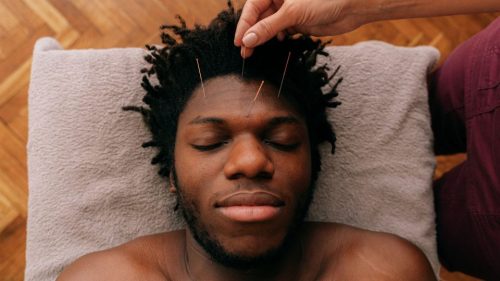
During a typical session, you may lie or sit comfortably while sterile, single-use needles are inserted into selected areas. The sensation is often described as a brief prick, pressure, heaviness, warmth, or tingling. Needles may remain in place for a short period while you rest. Some clinics combine acupuncture with other traditional techniques, so ask what is included before treatment.
Questions to ask before booking
- What training, licensing, or professional registration do you hold?
- Which infection-control and needle-disposal practices do you use?
- What benefits and side effects should I reasonably expect?
- How will you coordinate care with my doctor or therapist?
- What is the full cost, and how many visits do you recommend initially?
Safety, limitations, and realistic expectations
When performed by a properly trained practitioner using sterile, single-use needles, acupuncture is generally considered low risk. Temporary soreness, minor bleeding, bruising, dizziness, or fatigue can occur. More serious complications are uncommon but possible, especially when treatment is performed incorrectly or in an unsuitable location.
Tell the practitioner if you take blood-thinning medication, have a bleeding disorder, have a weakened immune system, or may be pregnant. Certain points or techniques may require special care. Seek prompt medical attention for severe pain, breathing difficulty, fainting that does not resolve, signs of infection, or any symptom that concerns you after treatment.
Be cautious about claims that acupuncture can cure insomnia, eliminate stress permanently, replace prescribed treatment, or treat every underlying condition. A responsible plan should include measurable goals and a point at which you reassess whether sessions are helping. Keeping a simple sleep diary can help you notice patterns in bedtime, awakenings, total sleep, daytime alertness, and stress levels.
Making an informed decision
Start by identifying what you want to improve. Is the main issue difficulty falling asleep, frequent waking, early waking, daytime worry, physical tension, or a combination? Clear goals make it easier to compare acupuncture with other options and to discuss concerns with a health professional.
If symptoms are new, severe, or persistent, consider speaking with a physician or qualified mental health professional before beginning complementary care. Loud snoring, gasping during sleep, severe daytime sleepiness, episodes of unusual nighttime behavior, significant mood changes, or thoughts of self-harm warrant particular attention. These signs may call for timely assessment rather than self-directed treatment.
Acupuncture may be most useful when it complements—not competes with—care that addresses the source of the problem. You might combine a clinician’s evaluation with CBT-I, counseling, physical activity, a consistent wake time, and a calming pre-bed routine. Avoid changing prescribed medication or stopping therapy without guidance.
Practical ways to support better sleep
Regardless of whether you try acupuncture, basic sleep practices can create a steadier foundation. Keep your wake time relatively consistent, make the bedroom comfortable and quiet, and reserve enough time for sleep. Limit caffeine later in the day if it affects you, and be mindful that alcohol may make it easier to fall asleep while disrupting sleep later.
Set aside a brief period earlier in the evening to write down worries or plan the next day. If you remain awake for a long time, use a quiet, low-light activity and return to bed when sleepy. These steps are not a substitute for professional care, but they can provide useful information about what supports your rest.
Responsible next steps
Discuss ongoing stress or sleep difficulties with a qualified health professional, then decide whether acupuncture is an appropriate complementary option. Choose a licensed practitioner who uses sterile, single-use needles, share your complete health history, set realistic goals, and review your progress rather than assuming more treatment is always better.
Educational information only; not medical advice, diagnosis, or a substitute for care from a qualified professional.
Related resources
Authoritative references

You may also like

Welcome to the Fall 2026 Chinese Medicine Semester

How to Identify Ashi Points for Musculoskeletal Pain