
Acupuncture for Lower Back Pain in Runners
Acupuncture for lower back pain may be one component of a runner’s broader recovery plan. It is often considered alongside activity modification, strength training, mobility work, sleep, and evaluation of the underlying cause. Because lower-back pain can range from a mild muscle irritation to a more significant spinal or nerve problem, runners should seek an appropriate assessment before relying on any single treatment.
Running places repeated demands on the hips, pelvis, spine, and surrounding muscles. Changes in training volume, hills, speed work, footwear, terrain, or recovery can contribute to discomfort in the lower back. Some runners experience stiffness after a long run, while others notice pain with bending, sitting, or pushing off. Acupuncture may help some people manage pain or muscle tension, but its role depends on the diagnosis, treatment goals, and overall recovery strategy.
How acupuncture may fit into recovery
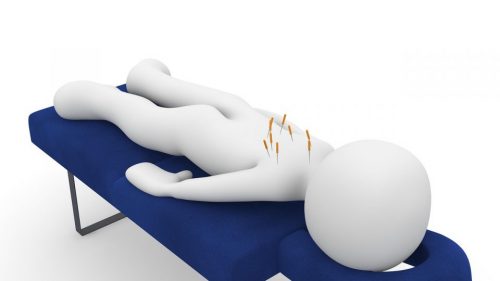
Acupuncture involves the careful placement of very thin needles at selected points on the body. Traditional East Asian medicine uses acupuncture within an individualized system of assessment. Contemporary clinical explanations may also discuss effects involving the nervous system, local circulation, muscle sensitivity, and the body’s pain-regulation processes. These explanations are still being studied, and responses vary from person to person.
For runners, a treatment plan may focus on symptoms around the lower back, hips, gluteal region, or legs rather than treating only the place that hurts. A qualified practitioner should ask about the onset of symptoms, training changes, previous injuries, medical history, and activities that increase or reduce pain. That information can help determine whether acupuncture is appropriate and whether another type of evaluation is needed first.
Research on acupuncture for lower back pain suggests that some people experience short-term improvements in pain or function, particularly when acupuncture is part of a comprehensive plan. However, studies differ in technique, comparison groups, and treatment schedules. Evidence does not establish that acupuncture repairs every cause of back pain or that it is more effective than all other options. A realistic goal may be improved comfort that makes it easier to participate in recommended rehabilitation, rather than an immediate return to full training.
Potential benefits for runners
Runners may consider acupuncture for several practical reasons:
- Pain modulation: Some people report less discomfort after treatment, although the amount and duration of relief differ.
- Muscle tension: Treatment may be used to address the sensation of tightness in the lower back, hips, or related muscle groups.
- Movement tolerance: If symptoms are less irritable, a runner may be better able to perform gentle mobility or strengthening exercises prescribed by a clinician.
- Support during training changes: Acupuncture may be included while mileage, intensity, or terrain is temporarily adjusted.
These potential benefits should not be interpreted as permission to run through worsening pain. Relief after a session can sometimes make it easier to overestimate recovery. Training decisions should be based on symptoms during activity, symptoms later that day, and symptoms the next morning—not only on how the body feels immediately after treatment.
Safety and choosing a qualified practitioner
Acupuncture is generally considered low risk when performed by a properly trained practitioner who uses sterile, single-use needles and follows appropriate infection-control procedures. Common temporary effects include mild soreness, a small spot of bleeding, bruising, fatigue, or brief lightheadedness. Serious complications are uncommon but can occur, particularly when treatment is not performed safely or when relevant health information has not been disclosed.
Before treatment, tell the practitioner about medications and medical conditions. Important details may include use of blood-thinning medication, a bleeding disorder, a weakened immune system, skin infection, pregnancy, a history of fainting, implanted medical devices, or recent surgery. A practitioner should explain the proposed approach, invite questions, and stop or modify treatment if you feel unwell.
Questions to ask before a session
- What training, licensing, or professional registration do you hold?
- How do you assess lower-back symptoms in active people?
- What side effects should I expect, and when should I contact a health professional?
- How will treatment fit with strength work, physical therapy, or my running plan?
- What signs would mean acupuncture is not appropriate for me?
Recovery guidance for runners
Recovery usually works best when treatment is paired with a gradual, measurable plan. Ask a qualified clinician whether you should temporarily reduce mileage, avoid hills or speed sessions, or substitute low-impact activity. Keep a simple record of pain during the run, pain several hours afterward, next-morning stiffness, sleep, and any leg symptoms. Patterns over several days are often more useful than a single good or bad session.
Unless a clinician advises otherwise, runners commonly benefit from maintaining comfortable movement rather than remaining completely inactive for long periods. Easy walking, gentle mobility, and prescribed trunk, hip, or leg exercises may be appropriate. Increase training one variable at a time, such as duration before intensity. If pain begins to spread, becomes sharper, changes your stride, or remains elevated into the next day, reduce the load and seek guidance.
When to pause running and seek prompt care
Contact a qualified health professional promptly for severe or rapidly worsening pain, pain after significant trauma, new weakness, numbness that is progressing, or difficulty controlling bladder or bowel function. Fever, unexplained weight loss, a history of cancer, severe nighttime pain, or pain accompanied by feeling acutely unwell also warrants medical evaluation. These symptoms should not be managed solely with acupuncture or self-directed training changes.
Making an informed decision
Deciding whether to try acupuncture for lower back pain is a personal choice that should reflect the likely cause of symptoms, your health history, access to qualified care, cost, and treatment preferences. It may be reasonable to use acupuncture as a complementary option when a clinician has screened for concerning conditions and you understand what the treatment can and cannot do.
Set a review point rather than continuing indefinitely without assessing progress. For example, you might discuss in advance how improvement will be measured, how many sessions will be tried, and what will happen if pain or running tolerance does not change. A coordinated plan can reduce the risk of masking symptoms while helping you return to training in a controlled way. The goal is not simply to complete the next run; it is to restore comfortable function and build a sustainable training routine.
Responsible next steps
Consider discussing your lower-back symptoms, training goals, and treatment options with a qualified health professional before starting or changing care.
This content is educational and informational only and is not medical advice.
Related resources
Authoritative references

You may also like

Welcome to the Fall 2026 Chinese Medicine Semester

How to Identify Ashi Points for Musculoskeletal Pain