
what is Chen Pi used for in traditional Chinese medicine?
To understand what is Chen Pi used for in traditional Chinese medicine, it helps to begin with what Chen Pi is: the dried, aged peel of certain mandarins or tangerines, traditionally identified with Citrus reticulata and related varieties. In Chinese herbal practice, the peel is valued not simply as a food byproduct but as a prepared botanical ingredient whose age, storage, aroma, and processing may influence how it is selected and used.
Chen Pi is commonly translated as “aged tangerine peel.” The name refers to citrus peel that has been carefully dried and stored for a period of time. In traditional markets, older, well-preserved peel can be more highly valued than newly dried peel. The material is usually brownish-orange to dark brown, curled or broken into pieces, and strongly aromatic. Its taste is often described as bitter, pungent, and slightly sweet.
Traditional Chinese medicine (TCM) does not evaluate Chen Pi only by isolated chemical compounds. Practitioners also consider its flavor, temperature category, quality, preparation, the person’s overall pattern, and how it fits into a formula. This traditional framework is different from modern clinical research, which generally investigates extracts, compounds, laboratory effects, or specific health outcomes.
Traditional uses and qualities
In TCM theory, Chen Pi is associated particularly with the Lung and Spleen systems. These are functional concepts within the traditional framework and should not be assumed to mean the same thing as the anatomical organs used in Western medicine. Chen Pi is traditionally described as helping regulate “Qi,” dry excess dampness, and support the movement and transformation of fluids and food.
So, what is Chen Pi used for in traditional Chinese medicine? Common traditional applications include digestive discomfort characterized by fullness, belching, nausea, reduced appetite, or a sensation of heaviness. It is also included in some formulas for cough or phlegm patterns, especially when practitioners believe digestive imbalance and retained dampness are contributing factors. These uses are pattern-based rather than diagnoses, and the same symptom can call for different herbs depending on the individual.
Chen Pi is often paired with other ingredients rather than taken alone. For example, a practitioner may combine it with herbs selected to address nausea, abdominal discomfort, phlegm, or a weak digestive pattern. The combination, dosage, and duration are important. A traditional indication does not establish that Chen Pi will treat a medical condition, and familiar terms such as “phlegm” or “dampness” should not be read as direct biomedical diagnoses.
How aged tangerine peel is prepared
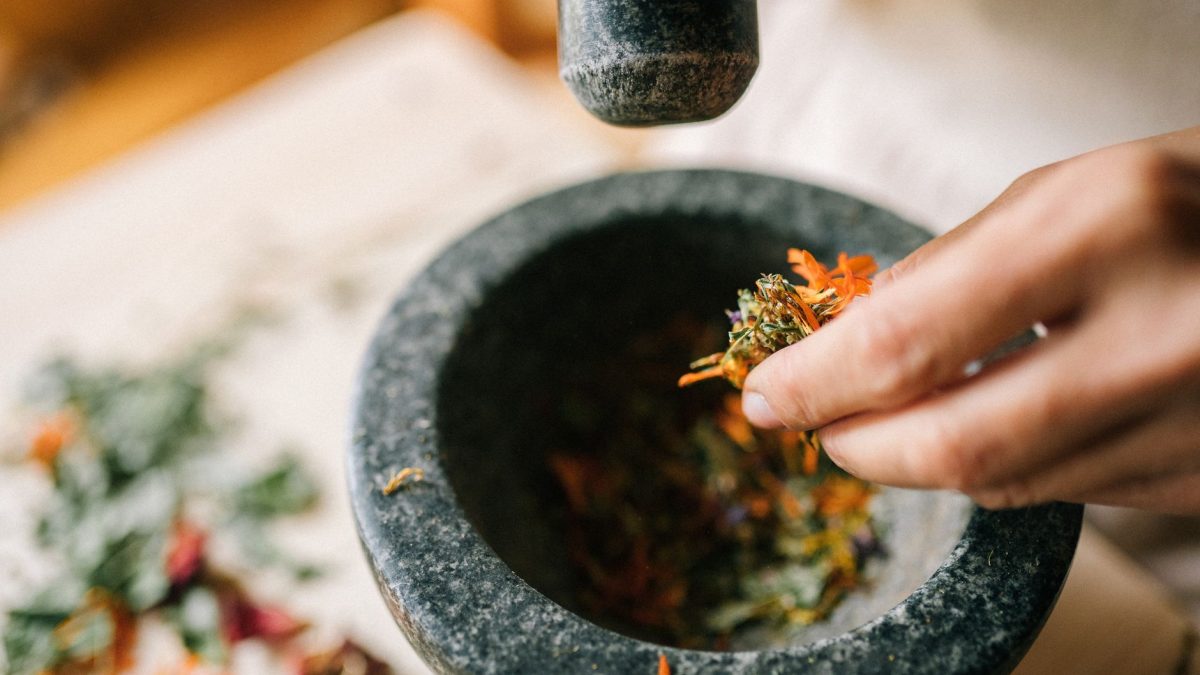
Preparation begins with suitable citrus peel. The peel is cleaned, opened or cut, and dried. It is then stored in a dry, ventilated environment, often with periodic attention to moisture, mold, insects, and changes in aroma or color. The exact aging process varies by producer and region. In some traditional settings, the peel is exposed to air under controlled conditions and re-dried when needed.
From fresh peel to traditional ingredient
Fresh citrus peel and Chen Pi are not interchangeable in traditional practice. Aging changes the peel’s texture, fragrance, and chemical profile. Long storage may reduce moisture and alter volatile oils and flavonoids, although the outcome depends on the citrus variety, climate, storage conditions, and authenticity of the product. “Older” does not automatically mean safer or better if the peel has been contaminated, adulterated, or stored poorly.
What to look for when buying it
Consumers should seek products from reputable suppliers that identify the botanical source and provide information about processing and testing. A clean, characteristic citrus aroma is preferable to a musty, chemical, or moldy odor. Peel should be free of visible mold, unexplained residue, insects, and excessive dampness. Color alone is not a reliable measure of age or quality, because storage, processing, and marketing practices can affect appearance.
What modern research can tell us
Modern laboratory research has examined compounds in tangerine peel, including flavonoids, polymethoxylated flavones, and volatile oils. Studies of citrus-peel extracts have reported antioxidant, anti-inflammatory, antimicrobial, and digestive-related effects in test tubes or animal models. These findings can help researchers identify mechanisms for further study, but they do not prove that Chen Pi prevents, treats, or cures a condition in people.
Human evidence is more limited and may involve multi-herb formulas rather than Chen Pi by itself. This makes it difficult to determine which ingredient contributed to an observed result. Research may also use extracts with different concentrations from the dried peel traditionally used in tea or formulas. Differences in species, harvest, aging, preparation, and dose further limit direct comparisons.
For these reasons, modern research should be viewed as preliminary unless supported by well-designed human trials. Laboratory antioxidant activity, for instance, does not automatically translate into a meaningful benefit after digestion. A careful evidence-based assessment considers study quality, sample size, comparison groups, safety monitoring, and whether results are reproducible.
Safety, interactions, and practical considerations
Food-level use of a small amount of clean citrus peel is different from taking concentrated supplements or practitioner-designed herbal formulas. Possible concerns include allergy, digestive irritation, contamination, inaccurate labeling, and interactions with medicines or other supplements. Citrus constituents can affect drug-processing enzymes in some circumstances, but the risk depends on the exact species, preparation, amount, and medication.
People who are pregnant or breastfeeding, children, older adults taking several medicines, and anyone with chronic liver, kidney, digestive, or bleeding-related conditions should obtain individualized professional guidance before using concentrated Chen Pi products. Anyone with a known citrus allergy should avoid it unless a qualified clinician advises otherwise. Stop use and seek medical advice for signs of an allergic reaction or significant, persistent symptoms.
Making an informed decision
A sensible decision starts by separating traditional use from proven medical benefit. Ask whether the goal is culinary flavoring, a traditional tea, or a concentrated supplement. Confirm the product’s identity, storage history, suggested serving, and testing standards. If symptoms are new, severe, recurrent, or unexplained, diagnosis should come before self-treatment.
It is also useful to tell a doctor, pharmacist, or qualified TCM practitioner about every herb and medicine being used. A practitioner familiar with both traditional pattern assessment and modern safety considerations can help determine whether Chen Pi is appropriate, how it might fit with other ingredients, and when it should be avoided. No single herb should replace urgent care, prescribed treatment, or evaluation of warning signs.
Responsible next steps
If you are considering Chen Pi, choose a traceable product, use only the amount appropriate for its intended preparation, and discuss concentrated forms with a qualified healthcare professional—especially when taking medication or managing a chronic condition. Treat traditional claims as context for informed discussion, not as a guarantee of results.
Educational information only; it is not medical advice, diagnosis, or a substitute for care from a qualified professional.
Related resources
Authoritative references

You may also like

Welcome to the Fall 2026 Chinese Medicine Semester

How to Identify Ashi Points for Musculoskeletal Pain