
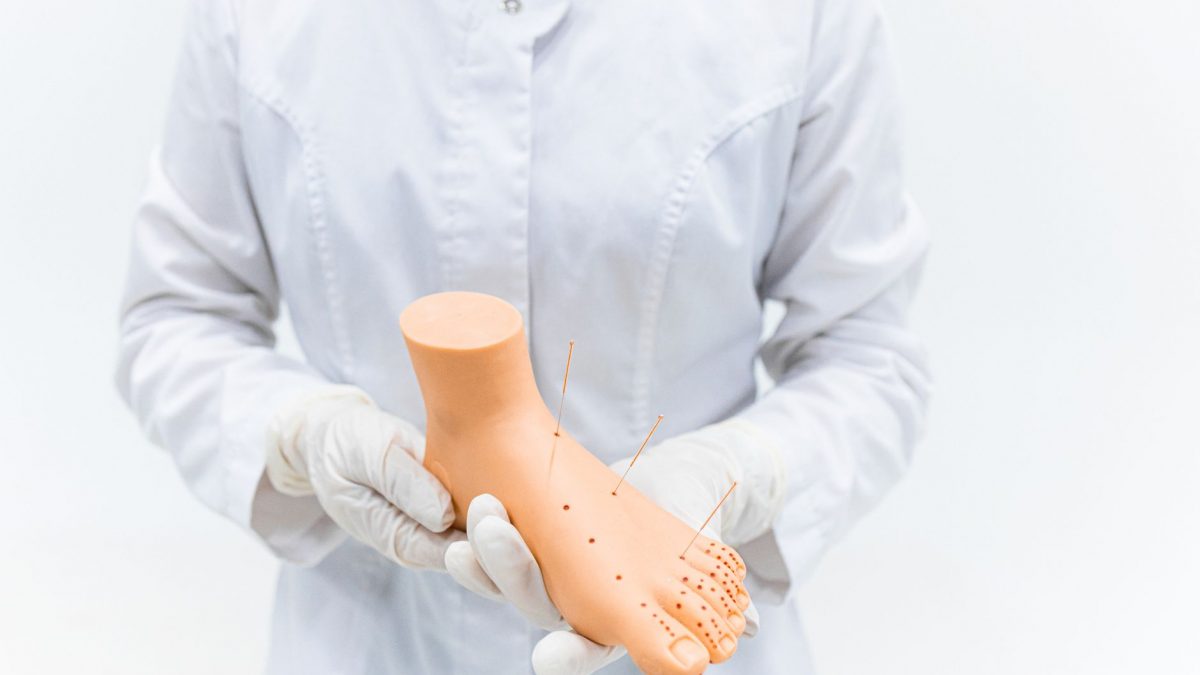
Your guide to an affordable acupuncture student clinic: 5 treatments for $150
An affordable acupuncture student clinic can make introductory care more accessible while giving supervised students an opportunity to build practical skills. A package of five treatments for $150 may sound appealing, but understanding the setting, the supervision, and the limits of the offer can help you decide whether it fits your needs.
Student clinics are commonly connected with accredited or otherwise established acupuncture education programs. Students may conduct intake interviews, discuss health history, develop treatment plans, and provide acupuncture under the oversight of licensed or experienced clinical faculty. The reduced price usually reflects the educational setting and the students’ training status, not necessarily a lower standard of cleanliness or organization.
UEWM Sunnyvale Seasonal Offer: 5 Acupuncture Treatments for $150
The University of East-West Medicine (UEWM) is making acupuncture care more accessible through a special seasonal offer at its Sunnyvale teaching clinic: five acupuncture treatments for $150.
This affordable package gives community members an opportunity to experience acupuncture in UEWM’s teaching-clinic environment while also supporting the hands-on clinical education of future acupuncture professionals.
Patients are treated by UEWM student interns as part of their supervised clinical training. The teaching-clinic model creates an important connection between education and community healthcare: patients receive affordable care while interns gain valuable real-world experience working with members of the community.
5 Acupuncture Treatments — $150
UEWM Teaching Clinic • Sunnyvale, California
Affordable Care That Also Supports Future Practitioners
One of the advantages of choosing a university teaching clinic is affordability. For people interested in acupuncture but concerned about the cost of multiple appointments, UEWM’s seasonal package provides a lower-cost way to begin exploring care.
It also serves a larger educational purpose. Every appropriate patient interaction gives UEWM interns an opportunity to strengthen their communication, clinical assessment, treatment planning, and patient-care skills within a supervised educational environment.
In that sense, visiting the clinic does more than provide access to affordable acupuncture. Patients become part of the learning environment that helps prepare the next generation of acupuncture professionals.
Experience the UEWM Teaching Clinic
For people who have never visited UEWM, the seasonal offer is also an opportunity to see the Sunnyvale facility, meet members of the clinic community, and experience the university’s teaching-clinic environment firsthand.
The clinic is designed to provide a welcoming setting where patients can ask questions, learn more about acupuncture, and become comfortable with the treatment process. Student interns work within UEWM’s clinical training program rather than practicing independently.
Is Five Treatments Right for Everyone?
The five-treatment package should not be interpreted as a promise that a health concern will be resolved within five visits. Individual responses to acupuncture vary, and the appropriate frequency or duration of care depends on the person and the reason for seeking treatment.
The package instead provides an affordable opportunity to experience several visits, become familiar with the teaching clinic, and discuss appropriate care with the clinical team. Some symptoms may also require evaluation or treatment from another qualified healthcare professional.
Ask whether the first appointment is longer than follow-up visits. Initial sessions often involve paperwork and a detailed discussion of medications, previous procedures, allergies, and current concerns. Also confirm whether missed appointments, package expiration dates, transferability, or refunds are addressed in writing. A low advertised price is most useful when the conditions are clear.
Five practical reasons people consider student care
1. A lower-cost introduction
Acupuncture fees can differ substantially between communities. A student clinic may provide a lower-cost way to become familiar with the setting, needles, appointment process, and communication style. This can be especially useful for someone who is curious but uncertain about paying standard private-practice rates for a first visit.
2. Time for education and questions
Because students are learning, appointments may include more explanation than a brief commercial visit. You can ask what will happen, how the treatment area is prepared, and which sensations are considered typical. The pace may be slower, though, and visits may take longer than expected.
3. Structured supervision
Students generally work within a defined educational system. A clinical supervisor may review the intake, approve the plan, observe portions of treatment, or remain available for consultation. Ask how supervision works at the specific clinic rather than assuming every school uses the same process.
4. A chance to track your experience
Five appointments create a simple period for recording what you notice before and after visits. You might document sleep, discomfort, energy, stress, or other personally relevant observations using neutral language. Tracking does not prove that acupuncture caused a change, but it can help you discuss your experience more clearly with the student and supervisor.
5. Support for clinical education
Choosing a student clinic supports supervised training. Students practice communication, documentation, safe setup, and professional decision-making. Your feedback may also help the program improve its patient experience. Participation should still be voluntary, and you should be able to decline a technique or stop a visit if you feel uncomfortable.
Safety, credentials, and clinic standards
Before booking, check the rules that apply in your region. Licensing and scope-of-practice requirements differ, and the title used for a student or intern may not be the same everywhere. The clinic should be able to explain who is legally responsible for care and how a supervising practitioner is involved.
Clean-needle practices are essential. Ask whether the clinic uses sterile, single-use, disposable needles and how instruments and treatment surfaces are managed. Staff should wash or sanitize their hands, explain the procedure, and invite you to report discomfort, dizziness, or other concerns immediately. You should not feel pressured to continue.
Share a complete and current health history. Include prescription medicines, over-the-counter products, supplements, allergies, pregnancy or possible pregnancy, bleeding conditions, implanted devices, recent surgery, and any infection or skin problem near the proposed treatment area. This information helps the clinic determine whether treatment should be modified, postponed, or discussed with another clinician.
Questions to ask before your first visit
- Is the student enrolled in a recognized training program?
- What credentials does the supervising practitioner hold?
- Will the supervisor review my assessment and treatment plan?
- What exactly does the $150 package cover?
- How long do appointments last, and when does the package expire?
- What should I do if I feel faint, uncomfortable, or unwell?
- Can the clinic coordinate with my primary care professional when appropriate?
Making an informed decision
Cost matters, but it should be considered alongside safety, communication, convenience, and suitability. An affordable acupuncture student clinic may be a reasonable educational option for a person who understands the student role and is comfortable with supervised care. It may be less suitable if you need urgent assessment, highly specialized treatment, or a provider who can offer immediate continuity outside the school schedule.

Be cautious of descriptions that promise to cure a disease, replace prescribed treatment, or deliver the same outcome for everyone. Acupuncture should not delay emergency care or evaluation of new, severe, or unexplained symptoms. A clinic that communicates its limits openly is generally easier to evaluate than one relying on dramatic guarantees.
Consider practical details as well. Is the location accessible? Are evening appointments available? Can you complete all five visits before the package expires? Does the clinic have a process for records, questions between appointments, and referrals when a concern falls outside its scope? These factors often determine whether a discount is genuinely useful.
During the package, set realistic expectations. You can ask the student to explain the purpose of each visit and how progress will be reviewed. If you do not notice a meaningful benefit, or if symptoms change, discuss that honestly rather than automatically purchasing more sessions. Your observations and preferences are important parts of shared decision-making.
Responsible next steps
Contact the clinic and request its current package terms, supervision policy, sanitation information, and cancellation rules. Bring an accurate medication and health history, ask questions during the intake, and keep your regular medical care in place when needed. Comparing these details can help you decide whether five supervised treatments for $150 are appropriate for your situation.
This article is for general educational purposes only and is not medical advice, diagnosis, or a substitute for care from a qualified health professional.
Related resources
Authoritative references

You may also like

Welcome to the Fall 2026 Chinese Medicine Semester
How to Identify Ashi Points for Musculoskeletal Pain