
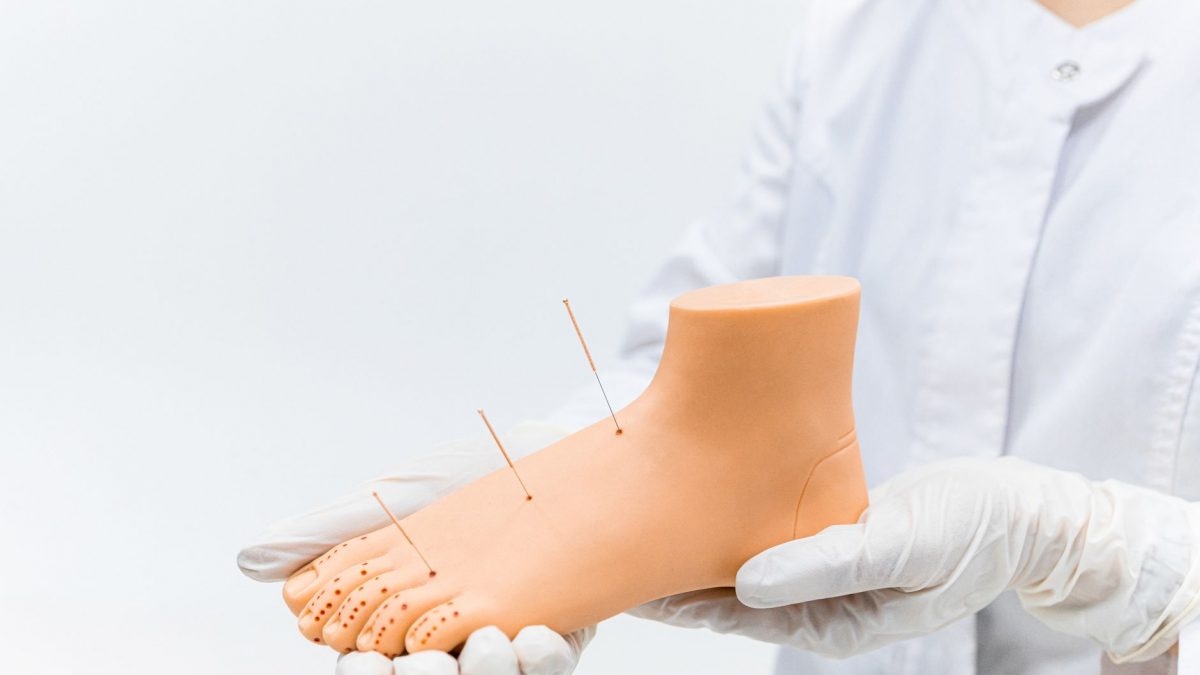
acupuncture safety: Questions to Ask Before Treatment
Acupuncture safety begins with asking practical questions before the first needle is placed. A qualified practitioner, clean setting, accurate health information, and clear communication can help you make a more informed decision. This guide explains what to ask, what information to share, and which warning signs deserve attention.
Acupuncture involves inserting very thin needles into specific points on the body. Some people seek it as a complementary approach for symptoms such as pain, nausea, or muscle tension, while others are curious about its traditional practices. Experiences and results can vary, and acupuncture is not appropriate for every person or condition. Asking direct questions about acupuncture safety can help you understand the potential benefits, limitations, and risks before agreeing to treatment.
Start with the practitioner’s qualifications
Before booking an appointment, ask who will provide the treatment and what training they have completed. Licensing and certification requirements differ by location, so check the standards that apply where you live. You can ask whether the practitioner is licensed or registered, how long they have been practicing, and whether they routinely treat people with concerns like yours.
It is also reasonable to ask about professional boundaries. The practitioner should explain the proposed treatment in understandable language, invite questions, and respect your right to pause or decline. Be cautious of anyone who guarantees a cure, tells you to stop prescribed treatment without consulting the prescribing clinician, or dismisses concerns about side effects and safety.
Questions about experience and communication
- What education, license, or certification do you hold?
- How often do you treat people with my health history or symptoms?
- How will you coordinate care with my doctor or other clinicians if needed?
- What should I do if I feel uncomfortable during treatment?
Ask how infection prevention is handled
Infection control is a central part of acupuncture safety. Ask whether the practitioner uses new, sterile, single-use needles for every patient and disposes of them immediately in an approved sharps container. Needles should not be reused, even on the same person. The treatment area should appear orderly and clean, and the practitioner should wash or sanitize their hands before the procedure.
Ask whether other tools, such as cups, gua sha instruments, or electrical equipment, are cleaned and disinfected according to appropriate procedures. If a practitioner reacts defensively to basic hygiene questions, consider choosing another provider. You should never feel pressured to accept treatment in a setting that appears dirty, crowded, or poorly maintained.
What a clean visit should look like
A typical visit may include hand hygiene, a clean examination surface, individually packaged needles, and a clear explanation of where needles will be placed. The practitioner should use gloves when appropriate for the procedure and should not touch sterile needle parts unnecessarily. Ask how linens and reusable equipment are handled between patients.
Share your complete health information
Tell the practitioner about diagnosed conditions, current symptoms, allergies, medications, supplements, and previous reactions to needles or medical procedures. Also mention pregnancy or the possibility of pregnancy, a weakened immune system, diabetes, seizure disorders, heart conditions, or a history of fainting. These details may affect whether acupuncture is suitable, how treatment is adapted, or whether another clinician should be consulted first.
Blood-thinning medicines and bleeding disorders are especially important to discuss because needling can cause bruising or bleeding. Implanted electrical devices may also require specific precautions if electrical stimulation is being considered. Do not assume that a practitioner knows your medical history from a brief intake form. Give accurate information and ask how it will affect the treatment plan.
If you have an urgent or unexplained symptom, seek appropriate medical evaluation rather than relying on acupuncture as a substitute for diagnosis. Acupuncture should not delay emergency care or replace treatment recommended for a serious condition.
Understand common effects and possible risks
Many people have minor effects after needling, including temporary soreness, mild bruising, small spots of bleeding, fatigue, or lightheadedness. These effects are often short-lived, but you should ask what is considered expected and how to manage it. You can also ask how often complications occur in the practitioner’s experience and what steps are taken if a problem develops.
More serious complications are uncommon when treatment is performed properly, but they can occur. Improper technique or inadequate hygiene may lead to infection, significant bleeding, nerve irritation, or injury to internal structures. Treatment near the chest or upper back carries particular concerns if a needle is inserted too deeply. A responsible practitioner should explain relevant risks without minimizing them.
Ask for clear instructions about when to contact the practitioner and when to seek urgent care. Severe or worsening pain, spreading redness, pus, fever, difficulty breathing, chest pain, fainting, or persistent weakness should not be ignored. If symptoms seem serious, obtain prompt medical attention.
Clarify the treatment plan, cost, and alternatives
Before treatment begins, ask what the practitioner recommends, how many visits may be considered, and how progress will be assessed. There may not be a predictable schedule or guaranteed outcome. A useful plan should include opportunities to reassess whether treatment is helping and whether continuing makes sense.
Request a clear explanation of fees, cancellation policies, insurance coverage, and any additional services. Ask whether the practitioner recommends other forms of care, such as physical therapy, counseling, medication review, or medical evaluation. You can compare options and seek a second opinion, especially if the proposed plan is expensive, lengthy, or presented as the only solution.
Making an informed decision
After asking questions, consider how comfortable you feel with the answers and the environment. You should understand what will happen, what information you need to disclose, which risks are relevant to you, and how to raise concerns. Consent is an ongoing process: you may ask the practitioner to stop, change the approach, or explain something again at any time.

Keep your primary healthcare professionals informed when complementary treatments are part of your care. Sharing information can help reduce avoidable interactions, prevent duplicated efforts, and support a coordinated plan. Bring a written list of medications and questions to the appointment, and take time to review any consent form before signing it.
Responsible next steps
Choose a properly qualified practitioner, verify that sterile single-use needles are used, disclose your full health history, and ask how risks and follow-up concerns will be handled. If you are unsure whether acupuncture is appropriate, discuss it with a licensed healthcare professional who understands your medical history before beginning treatment.
Educational information only; this article is not medical advice, diagnosis, or a substitute for care from a qualified healthcare professional.
Related resources
Authoritative references

You may also like

Welcome to the Fall 2026 Chinese Medicine Semester

How to Identify Ashi Points for Musculoskeletal Pain